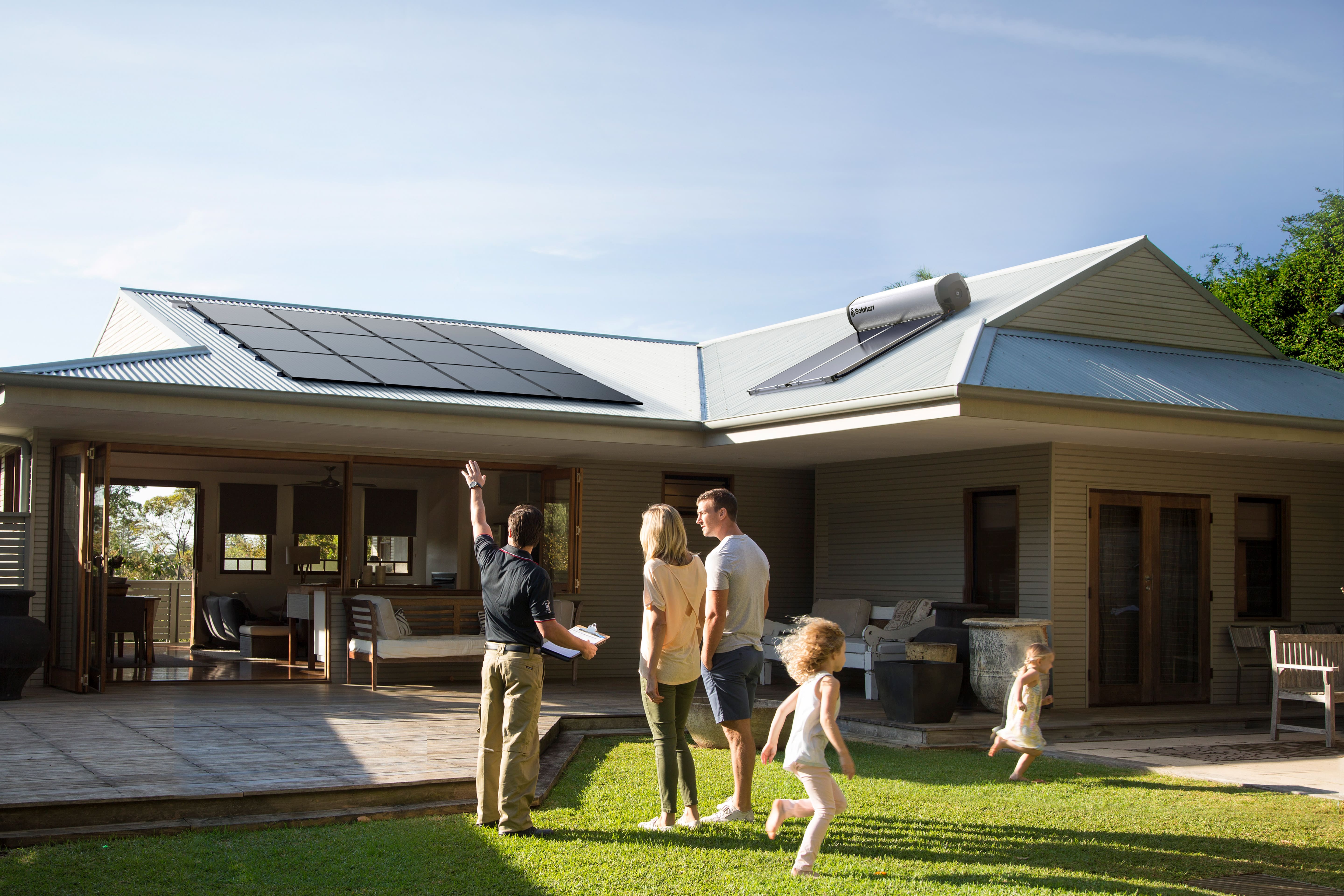
Autumn is nature's gentle reminder that winter is coming, and for Australian homeowners, it's the ideal season to think strategically about energy efficiency. If you already have solar panels installed, you know how valuable renewable energy can be. But there's more you can do to stretch your savings even further without investing in expensive upgrades.
The beauty of layering energy efficiency improvements is that small, affordable changes add up quickly. By tackling a few key areas before winter arrives, you can reduce your reliance on grid electricity when daylight hours are shorter and your solar system produces less power. Let's explore some practical, budget-friendly ways to prepare your home.
Seal Your Home's Air Leaks
One of the quickest wins for autumn energy efficiency is finding and sealing air leaks around your home. Cold air sneaking through gaps around windows, doors, and exhaust vents forces your heating system to work harder, which means higher electricity bills.
Walk around your home on a cool autumn day and feel for drafts. Common culprits include poorly sealed window frames, gaps around door frames, and spaces where pipes or cables enter your home. Weatherstripping tape costs just a few dollars at hardware stores and takes minutes to apply. Caulk is another inexpensive solution for gaps you can't easily seal with tape.
The team at Solahart Wagga Wagga often hear from customers who were surprised by how much these simple fixes helped maintain their indoor temperature. You don't need to call a professional for most of these tasks, making it one of the cheapest improvements you can make.
Improve Your Insulation Where It Matters Most
Heat rises, which means much of your home's warmth escapes through the roof and ceiling. If your home doesn't have adequate ceiling insulation, or if it's older and has become compressed over time, you're losing valuable warmth during winter.
Ceiling insulation is often more affordable to install than wall insulation, and the return on investment makes sense over time. Many Australian homes built before the 2000s have minimal insulation by today's standards. Adding or upgrading ceiling insulation is a project that some homeowners tackle themselves, though hiring a professional ensures it's done correctly.
Before winter arrives is the ideal time to assess your insulation. At Solahart Wagga Wagga, our team can advise on whether insulation upgrades might benefit your specific home setup, especially when combined with your existing solar system.
Optimise Your Water Heating
Water heating accounts for a significant portion of household energy use. As temperatures drop in winter, your water heating system works harder, consuming more electricity. There are several affordable steps to reduce this burden without replacing your entire system.
First, consider lowering your hot water temperature slightly. Most systems are set higher than necessary for daily use. Even dropping the temperature by a few degrees can result in noticeable savings over winter. Second, insulating your hot water pipes prevents heat loss as water travels from your tank to your taps. Pipe insulation blankets are inexpensive and simple to install around exposed pipes in your home.
If you have an electric hot water system and are curious about long-term alternatives, our team at Solahart Wagga Wagga would be happy to discuss your options. For now, these small adjustments cost very little but work effectively.
Use Window Treatments Strategically
Your windows are both an asset and a liability when it comes to temperature control. In winter, you want to trap warmth inside, but many Australian homes have windows that don't retain heat effectively.
Heavy curtains or thermal blinds help insulate your windows, particularly at night when heat loss is greatest. Close them during the evening and overnight, then open them during the day to let sunlight warm your home naturally. This simple habit costs nothing but can noticeably reduce your heating needs.
If you're considering window upgrades, thermal or double-glazed windows offer better insulation, though they're a bigger investment. For autumn preparation, focusing on affordable window treatments is a smart first step.
Check and Maintain Your Heating System
If you use a heater in winter, now is the time to have it serviced before peak season arrives. A well-maintained heating system runs more efficiently and uses less electricity to reach your desired temperature.
Clean or replace filters in your heater, and ensure vents aren't blocked by furniture or other obstructions. If you haven't used your heater since last winter, running it briefly to confirm it's working properly gives you peace of mind before cold weather arrives.
Bringing It All Together
Layering these energy efficiency improvements creates a cumulative effect that complements your solar system beautifully. While your panels generate clean energy during daylight hours, these efficiency measures help you use less energy overall, meaning lower bills throughout winter.
The best part is that none of these improvements require significant expense or disruption to your home. Many are simple enough to tackle as weekend projects, and the payback period is measured in weeks rather than years.
As you prepare for winter, think of energy efficiency as a partnership with your solar system. Every kilowatt-hour you save through better insulation, sealed air leaks, and efficient water heating is money in your pocket when daylight hours are shorter.
Ready to Optimise Your Home's Energy Performance?
If you'd like personalised advice on which improvements might work best for your home, or if you're interested in discussing how these efficiency measures complement a solar system, contact Solahart Wagga Wagga today. Our team can provide a free quote and help you develop a plan that works for your budget and home.
Even small steps in autumn create noticeable benefits when winter arrives. Let's make sure your home is ready.
Energy savings vary depending on household usage and location.